
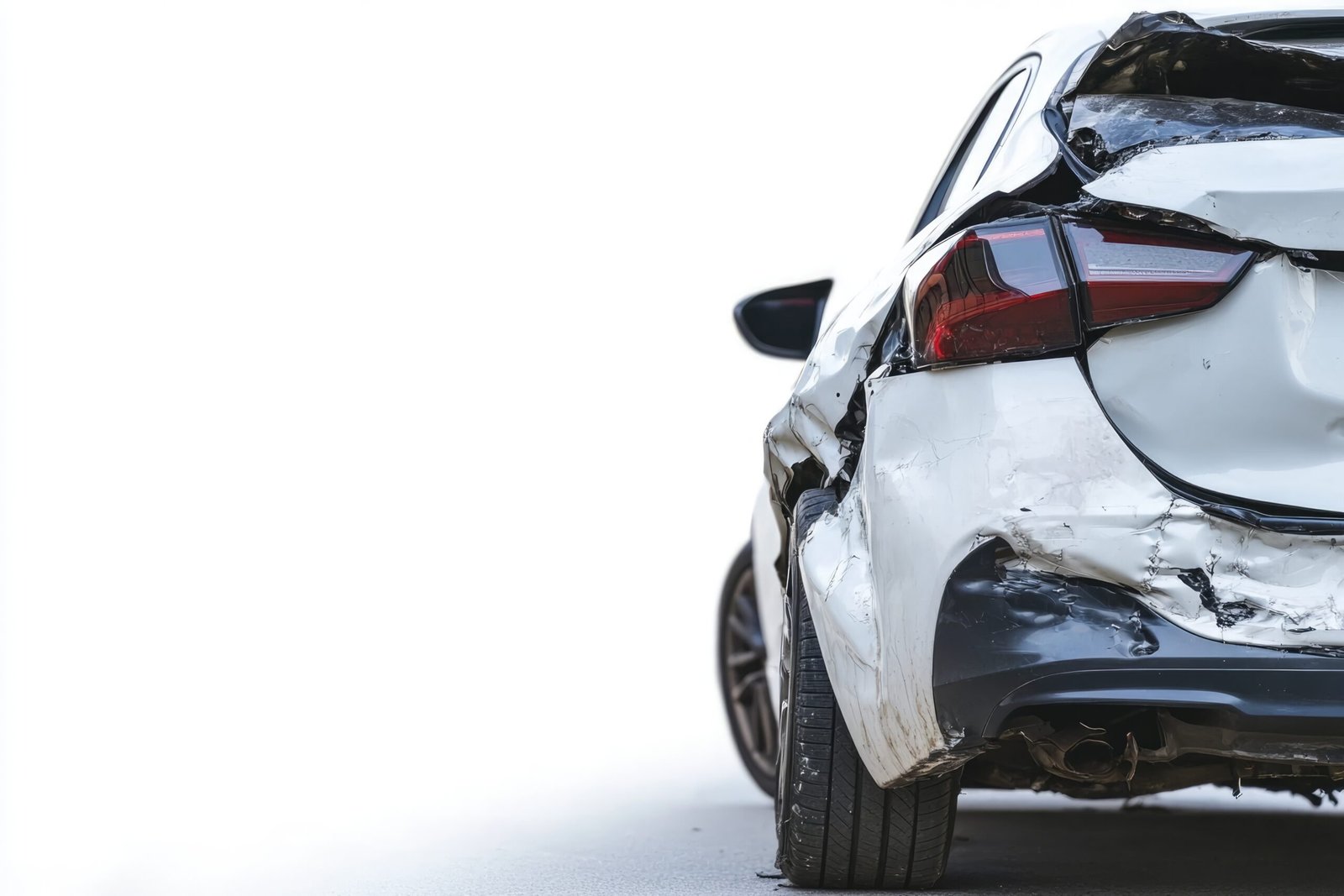
Who Is At Fault in a Rear-End Accident?
Our Raleigh Car Accident Lawyers Explain Who May Be At Fault In a Rear-End Accident:
In most rear-end accidents in North Carolina, the driver who rear-ended the other party is presumed to be at fault under a rebuttable presumption. But this is not as clear-cut as it may appear on the surface. As top-rated personal injury attorneys in North Carolina, we have recovered $34 million for our clients. We help determine whether your claim is substantive enough to pursue.
What is “Rebuttable Presumption” in a North Carolina Rear-End Accident?
According to North Carolina General Statute § 20-152(a), a driver is not to follow another vehicle that is reasonable and prudent. Every driver is to keep a respectable distance, commonly known as the 3-second rule. If the car in front of you passes a landmark and you reach that same landmark before counting to three, you are following too closely.
This creates the “rebuttable presumption,” which means two things:
Presumption: In a rear-end accident, the rear driver is presumed to have failed to exercise due diligence. This means following too closely or paying insufficient attention, causing the crash.
Rebuttable: Sufficient evidence indicating that the lead driver caused the accident can challenge this assumption, thereby shifting fault to the lead driver.
The appropriate evidence can overcome these presumptions.
When Could The Front (Leading) Driver Be At Fault?: Common Examples in North Carolina
Accidents are not always as simple as the person who hit the other driver being found liable. As experienced attorneys, we always look for evidence of whether the lead driver caused an unavoidable hazard. These can be, but are not limited to:
Brake Checking:
If a driver intentionally and aggressively slams on their brakes for no apparent reason, they could face liability for causing the collision. However, the burden of proof is quite high. It usually requires testimony or dashcam footage, as distinguishing an illegitimate stop from a legitimate one can be difficult.
Driving With Bad Brake Lights:
Every driver is responsible for maintaining their vehicle in a safe working condition. If the lead car’s brake lights are out, following drivers have no cue that the car ahead is slowing or stopping. This makes the lead driver negligent.
Suddenly Pulling Out in Front of Another Vehicle
A driver pulling out from a side road or driveway may be liable if they do not have a safe gap in oncoming traffic.
Leading Vehicle Unexpectedly Reversing
If the leading vehicle reverses into the car following it, that is usually a clear-cut case of the leading vehicle being liable for the accident.
Other potential cases in which the leading vehicle may be liable include failing to use turning signals, illegal U-turns, and stopping without cause in high-traffic areas.
What If There Were More Than 2 Vehicles Involved in a NC Rear-End Accident?
In multiple-car pile-ups, the rearmost car that initiated the chain reaction is generally considered at fault. The same principles from two-vehicle collisions apply. Additional factors may arise, such as a middle vehicle being struck from behind after hitting the car ahead. Ultimately, courts determine fault based on the initial cause of the accident.
Have Any Additional Questions About A Rear-End Collision in NC? Contact Us Today !
If you or a loved one was injured in a rear-end accident in North Carolina, contact our Raleigh personal injury attorneys. We offer free consultations to evaluate the details of your claim. Click below to start our intake process.