
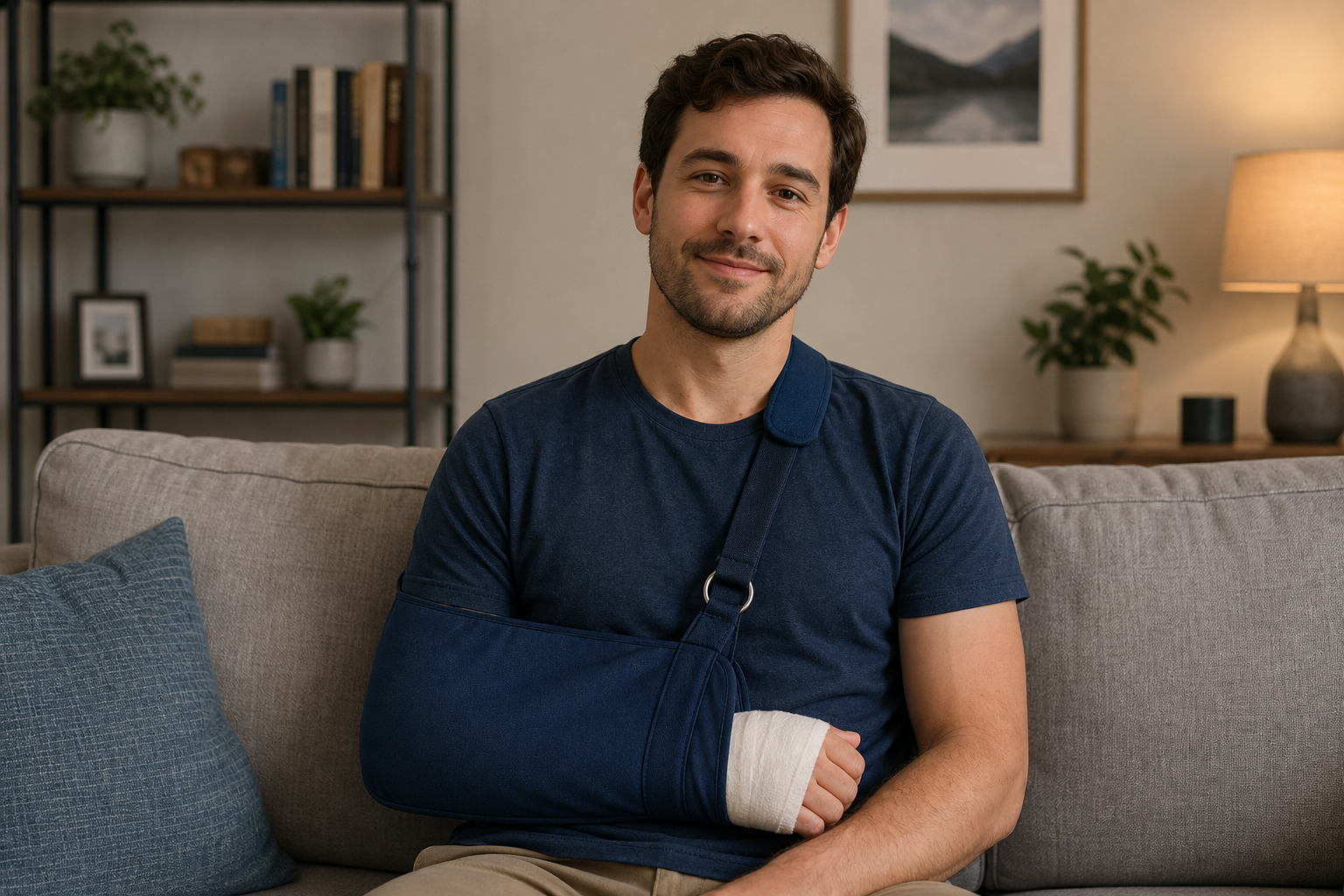
If you were hurt in Raleigh or Wake County, a Raleigh personal injury lawyer can help you understand who pays, what steps protect your claim, and what North Carolina’s strict fault rules mean for you. Deadlines are real, insurance adjusters move fast, and the decisions you make in the first days matter.
What a Raleigh Personal Injury Lawyer Actually Does for You
A personal injury lawyer builds the strongest possible record of what happened, who caused it, and what it cost you. That means gathering the police report, medical records, and witness statements before memories fade and records become harder to obtain. It also means dealing with the insurance company so you don’t have to.
Justin Osborn, who founded Osborn Injury Lawyers, spent years on the other side as a defense attorney and an insurance adjuster. That background shapes how the firm reads an insurer’s tactics: a low early offer, a request for a recorded statement, a suggestion that your injuries were pre-existing. These are standard moves, not necessarily fair ones.
You can read more about the firm’s approach on the personal injury practice page. If your injury came from a vehicle crash specifically, the vehicle accidents page covers how those claims work.
North Carolina’s Filing Deadline and Why It Matters
Under N.C. Gen. Stat. § 1-52(16), you generally have three years from the date of injury to file a personal injury lawsuit in North Carolina. Miss that deadline and a court will almost certainly dismiss your case, no matter how strong your facts are.
Wrongful death cases carry a shorter window. Under N.C. Gen. Stat. § 28A-18-2, a claim for a family member’s death generally must be filed within two years. Exceptions, tolling rules (legal pauses on the clock), and discovery issues can shift these dates. Confirm your specific deadline with a lawyer rather than relying on a general rule.
The deadline is also separate from the practical problem of evidence going stale. Security camera footage gets overwritten. Witnesses move. The sooner a lawyer can preserve that evidence, the better the record.
For a detailed breakdown of how these deadlines work, see How Long Do You Have to File a Personal Injury Claim in North Carolina?
What Happens If You Wait Too Long
Waiting gives the insurance company time to build its own file. Adjusters record every conversation and look for statements that can be read as an admission that you share blame. North Carolina’s contributory negligence rule, explained in the next section, makes that a serious risk.
How North Carolina’s Fault Rule Can End a Claim
Contributory negligence is North Carolina’s rule that a person found even slightly at fault for their own injury may be completely barred from recovering anything. This rule comes from court decisions, not a written statute, and it is one of the strictest fault standards in the country. According to the National Conference of State Legislatures, only a handful of states still follow pure contributory negligence.
For example: if an adjuster can argue that you were texting, that you failed to brake in time, or that you were jaywalking, your entire claim could be blocked. That is why insurers look for any evidence that the injured person shares blame, and why what you say in the first days after an accident matters so much.
There are narrow exceptions, including a doctrine called last clear chance, which says a defendant who had the final opportunity to avoid the harm cannot hide behind the victim’s minor fault. Whether an exception applies depends on the specific facts of your case, not a general answer.
For a closer look at how fault is evaluated, Factors That Affect a Personal Injury Claim in North Carolina covers the key variables.
Where Personal Injury Cases Are Filed in Wake County
Most personal injury lawsuits in Raleigh are filed in Wake County Superior Court, located at 316 Fayetteville Street in downtown Raleigh. Lower-value matters may go through Wake County District Court instead.
The filing court matters because it determines procedures, judges, and jury pools. If a claim involves a government entity, such as the City of Raleigh or a state agency, different notice requirements apply and the timeline can be shorter than the standard three-year rule. Tell a lawyer right away if a government vehicle or government property was involved.
According to the North Carolina Judicial Branch, Wake County handles one of the highest civil caseloads in the state, which reflects the region’s population and traffic volume.
What to Do Right After an Injury in Raleigh
The steps you take immediately after an injury shape everything that follows. Here is what matters most:
- Get medical care first. Some injuries, including concussions and soft-tissue damage, don’t show full symptoms for hours or days. A medical record ties your injury to the incident.
- Call the police. A police report creates an official record of the scene, the parties, and initial observations about fault. The Raleigh Police Department responds to crashes within city limits; the Wake County Sheriff’s Office handles unincorporated areas.
- Document the scene. Photograph the vehicles, your injuries, road conditions, and any signage. If there are witnesses, get their names and phone numbers.
- Do not give a recorded statement to the other driver’s insurer. You are not legally required to. An adjuster’s job is to resolve the claim for as little as possible, and a recorded statement gives them material to work with.
- Keep records of everything. Save every medical bill, prescription receipt, and pay stub that reflects missed work. Write down how you felt each day if your injuries are ongoing.
- Talk to a lawyer before you accept any offer. A first offer from an insurer is almost never a final or fair one. Once you sign a release, the claim is closed.
For more on the immediate steps after a vehicle crash, see What to Do Immediately After a Car Accident in NC.
Types of Injury Claims Handled for Raleigh and Wake County Clients
Osborn Injury Lawyers represents clients in Raleigh and Wake County across a range of injury situations, including:
- Car and truck crashes, including rear-end collisions, intersection crashes, and highway accidents
- Motorcycle accidents, which often result in serious injuries and are frequently disputed by insurers
- Pedestrian and bicycle accidents
- Slip and fall incidents on someone else’s property
- Dog bites, governed by North Carolina’s specific liability rules for animal owners
- Drunk driving crashes, which may also support a dram shop claim against the bar that served the driver under N.C. Gen. Stat. Chapter 18B, Article 12
- Defective products that caused injury
- Wrongful death claims when a family member did not survive
According to NCDOT crash data, Wake County consistently ranks among the counties with the highest number of reported crashes in North Carolina, reflecting the volume of traffic the Raleigh metro carries.
The CDC reports that unintentional injuries are a leading cause of emergency department visits for adults of working age, and the costs, including future care and lost wages, are often higher than an early settlement reflects.
What to Bring to a Free Case Evaluation
A free case evaluation is most useful when you come prepared. Bring or have ready:
- The police or incident report, if one was made
- Any photos or video from the scene
- Your medical records and bills related to this injury, or a list of the providers you have seen
- Pay stubs or a note from your employer if you have missed work
- The insurance cards and policy information for everyone involved
- Any correspondence or recorded calls you have already received from an insurance company
You don’t need to have all of this. A lawyer can help gather records you don’t have yet. The more context you can provide, the more specific the evaluation can be.
What Happens During the Evaluation
The lawyer will ask you to describe what happened, who was involved, and what injuries and financial losses resulted. You should ask questions too: what is the general legal theory of your claim, what are the potential obstacles, and how is the firm structured to handle your case. No lawyer can guarantee a result, and a good one will tell you that plainly.
NHTSA data shows that motor vehicle crashes remain among the most common causes of serious injury in the United States. Understanding your options early gives you a clearer picture before any deadlines close.
Frequently Asked Questions
How long do I have to file a personal injury lawsuit in Raleigh, NC?
Under N.C. Gen. Stat. § 1-52(16), the general deadline is three years from the date of the injury. Wrongful death claims generally carry a two-year deadline under N.C. Gen. Stat. § 28A-18-2. Claims against government entities and injuries to minors can change those dates, so confirm your specific deadline with a lawyer rather than relying on the general rule alone.
What if I was partly at fault for the accident in North Carolina?
North Carolina follows contributory negligence, meaning that if you are found even slightly at fault, you can be barred from any recovery. This is why insurance adjusters look for any evidence that the injured person shares blame. Narrow exceptions exist, but whether one applies depends on the specific facts of your situation, not a general answer.
Does a Raleigh personal injury lawyer handle cases outside the city limits?
Yes. A lawyer based in Raleigh routinely handles cases throughout Wake County and surrounding counties. Osborn Injury Lawyers’ office is in Raleigh, and the firm serves injured clients across North Carolina.
What is the difference between a personal injury claim and a lawsuit?
A personal injury claim is a demand you make to an insurance company for compensation. A lawsuit is a formal legal action filed in court. Most claims settle without a lawsuit being filed, but having a lawyer who is prepared to go to trial gives you more negotiating advantage because the insurer knows you will follow through.
Can I still file a claim if I didn’t go to the doctor right away?
A gap in medical treatment can complicate a claim because insurers argue it shows the injury wasn’t serious. Delayed treatment alone does not automatically end a claim. The specific facts, the reason for the delay, and the medical evidence that does exist all matter. Talk to a lawyer about how a gap affects the strength of your particular situation.
What does a personal injury lawyer do that I can’t do myself?
You can file your own claim, but insurers know that unrepresented claimants are less likely to file suit and often settle for less. A lawyer evaluates the full value of your claim, including future medical costs and lost earning capacity you might not think to include. According to the Insurance Research Council, injury claimants who hire attorneys receive higher settlements on average than those who don’t. Many people underestimate long-term costs when they accept an early offer.
Talk to a Raleigh Personal Injury Lawyer About Your Wake County Claim
North Carolina’s fault rules, filing deadlines, and insurance tactics are easier to handle when you understand how they work and have someone in your corner who has seen them from both sides. If you were hurt in Raleigh or Wake County and want a clear picture of your options, request a free case evaluation at Osborn Injury Lawyers or call (919) 935-5555.
This article is general information about North Carolina law, not legal advice. Reading it does not create an attorney-client relationship with Osborn Injury Lawyers, and the outcome of any case depends on its own facts.